


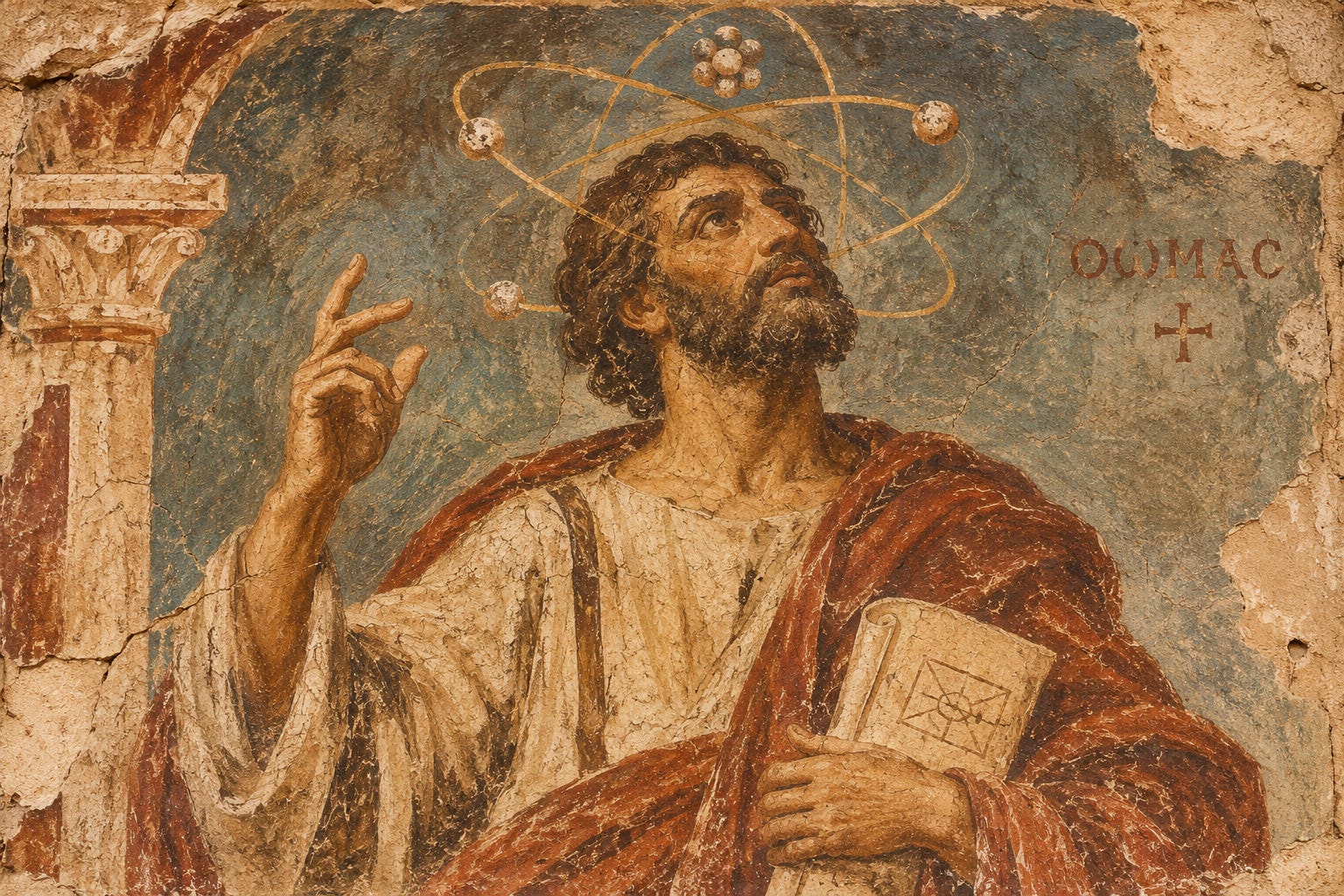
A long while back, after a trip spanning multiple time zones, I woke up not knowing who I was.
Just like that.
The exact sequence went like this.
I open my eyes. Find myself in a comfortable bed, cocooned in pillows. Smack my lips, yawn, stretch, open my eyes a little wider, and gaze around.
The room is bathed in light. Thin white curtains let in the late morning rays. White walls, tall Jugendstil ceilings, elaborate carvings depicting a gargoyle. Is it looking at me?
Then I notice someone at the foot of my bed, behind the bed frame, kneeling down, her hair bobbing in and out of view. Unpacking something. And then, pop! She stands up, gives me a brief smile—the kind you give your spouse when there’s no time to talk—and hurries out of the room.
I hear some clanking farther away. Doors opening and closing. Heels clicking.
Which is when it dawns on me.
I have no idea who she is. Although she seems nice.
And there’s another layer to my predicament.
I’ve never seen this room before.
I get up, calm as a jungle cat waking from a nap after a heavy feast, and amble over to the window. I pull back the curtains and stare at an intersection of roads, slightly out of focus.
Imagine Martin Sheen in Apocalypse Now, opening the curtains after a two-week binge. “Saigon. Shit. I’m still only in Saigon.”
Except I’m not looking at Saigon. I’m looking at absolutely nothing I recognize.
I don’t know where I am.
Then things really start to intensify.
I ask myself the obvious follow-up question. If I don’t know who I’m with or where I am, what do I actually know?
I know I’m in this body. I’ve got that locked down. Or maybe not. Because, for some reason, I also know I’m not of this body.
Then who am I?
Which drops me another baby step into the abyss. Another abstract W.
What am I?
Carbon? Gas? Protoplasm?
Zero idea of where, who, what, or even why. Could things be any more ambiguous?
Despite the unknowns, I am the definition of calm, riding a serene white stallion through the bliss of nothingness. I know nothing about everything, and everything about nothing. I revel in non-conclusion. And I know, with silent certainty, that whatever I make of this state, whatever I decide my empty form should be, will be so.
The best part? I don’t need to decide now. I can decide in 69 million years. Or in 69 seconds. Nobody’s checking the clock. There is no clock.
I stay in that state for a smidgen less than infinity.
Then I start reassembling. Slowly.
Little pieces of clothing dressing themselves up as Self. The voice of your partner. The cover of a favorite book. Pants I might want to wear. The smell of coffee.
The room comes back. The city comes back. The people come back.
I am back.
And it’s a bit of a bummer – like I just lost a dimension or two.
Later, deeply immersed in my material world, missing that morning without knowing I was missing it, I picked up Fritjof Capra’s The Tao of Physics. Then I went through a stretch with Schrödinger, Feynman, Bohr, and John Archibald Wheeler, not knowing what I was looking for.
And eventually forgot about it.
Then, somehow, just a short while back, I stumbled upon a two-thousand-year-old book buried in a jar.
The Gospel
In 1945, farmers near Nag Hammadi, Egypt, unearthed a sealed clay jar containing ancient books. One was the Gospel of Thomas: 114 sayings attributed to Jesus. No birth story. No miracles. No crucifixion. A rather different Jesus from the one most of us grew up with. Written in fourth-century Coptic, the surviving text derives from an earlier Greek version, possibly dating back to the late first century. Roughly half its sayings have no biblical parallel.
Caveat. My working assumption is that Jesus was a regular Joe who once fell into a mystic puddle and spent the rest of his life trying to explain it to fishermen, farmers, tax collectors. He had no vocabulary for any of it. So he reached for what they had. Birds and fish. Wood and stones. Babies at the breast. Symbols that explained the inexplicable.
As the Church established its canon, Thomas was left out, and some early church writers condemned it as heretical. In 367, Bishop Athanasius named the 27 New Testament books we still use today and rejected other writings. Some scholars suspect this prompted someone to bury the Nag Hammadi books around that time. Why a book about light, seeing, and a kingdom inside you had to go underground is a question worth sitting with.
You can read the whole thing in one sitting, which is not hard, since it is shorter than most terms-of-service agreements. I read it with a notepad, and something odd happened. Lines kept snagging on the physics I had read and forgotten.
Coincidence is the cheapest drug on the market. The parallels I’m about to draw may mean something. Or nothing at all. They may simply be the inventions of a man who once woke up as nobody. You decide.
But first, we need to define a term that’s central to the puzzle. What the puddle could be all about.
Zero Point
Physicists use the term zero point for the lowest energy a system can have. Cool empty space down to absolute zero, take out every last bit of heat, and it still isn’t perfectly still. The fields that fill it retain their quantum fluctuations. That leftover hum is called zero-point energy.
A handful of physicists, Harold Puthoff among them, have suggested that this hum might be the hidden field underneath everything, holding matter, inertia and maybe gravity together, like a restless sea that every particle floats on.
And on that sea, nothing is settled until it’s measured. Take a particle’s position or spin. Before measurement, its quantum state can hold a spread of possible outcomes. Measurement gives us one definite result. Now put the two ideas together. If Puthoff is right, Zero Point is the field underneath everything, and that spread of possible outcomes lives inside it. Every result the universe could ever hand out, waiting in a puddle of no-thing.
What if that morning in the room with the gargoyle was my personal Zero Point? Everything could still happen, and nothing had happened yet. No who, no where, no what. Then my attention landed on something, and the world began to take shape around it, the way a particle settles on one answer when it is measured.
(A friend of mine told me to get a CT scan, when I told him about this theory, but I hate hospitals, so I stuck with Zero Point.)
The closest the lab has come to Zero Point is the double-slit experiment. Take a wall with two narrow slits and fire electrons at it, one at a time. On the screen behind it they build up a striped pattern, the kind you only get when a wave passes through both slits at once and overlaps with itself. Each electron behaves as if it went through both slits.
Now add a detector to see which slit each electron goes through. The stripes disappear. The electrons land in two plain bands, like bullets, as if they knew someone was watching.
Richard Feynman called it “a phenomenon which is impossible, absolutely impossible, to explain in any classical way, and which has in it the heart of quantum mechanics. In reality, it contains the only mystery.”
Which is exactly what the Gospels sound like.
Prologue and Logion 1
ⲛⲁⲉⲓ ⲛⲉ ⲛ̅ϣⲁϫⲉ ⲉⲑⲏⲡ ⲉⲛⲧⲁ ⲓ̅ⲥ̅ ⲉⲧⲟⲛϩ ϫⲟⲟⲩ ⲁⲩⲱ ⲁϥⲥϩⲁⲓ̈ⲥⲟⲩ ⲛ̅ϭⲓ ⲇⲓⲇⲩⲙⲟⲥ ⲓ̈ⲟⲩⲇⲁⲥ ⲑⲱⲙⲁⲥ ⲁⲩⲱ ⲡⲉϫⲁϥ ϫⲉ ⲡⲉⲧⲁϩⲉ ⲉⲑⲉⲣⲙⲏⲛⲉⲓⲁ ⲛ̅ⲛⲉⲉⲓϣⲁϫⲉ ϥⲛⲁϫⲓ ϯⲡⲉ ⲁⲛ ⲙ̅ⲡⲙⲟⲩ
“Whoever finds the interpretation of these words will not taste death.”
These are supposedly the introductory words spoken by the living Jesus and written down by Didymos Judas Thomas.
Zero Point interpretation? Maybe Jesus had a sense of humor. A quantum mechanic’s sense of humor. He knew the logical mind would never reach a final interpretation of the grand unifying field. Exactly like Richard Feynman.
By that twisted logic, we’ll all taste death, because nobody can agree on what the equations mean.
The Copenhagen camp, named after Niels Bohr’s city, says asking what a particle was doing before you looked may be a meaningless question. “Shut up and calculate,” as David Mermin later put it. The many-worlds camp says every possible outcome happens, each in its own universe. The pilot-wave camp says reality is already there, and we’re just late to the show. Add a dozen more schools, each with its own conference and bar tab.
Same contest, two thousand years apart. Find the interpretation, win eternity.
So far, nobody’s collected.
Logion 2
ⲡⲉϫⲉ ⲓ̅ⲥ̅ ⲙⲛ̅ⲧⲣⲉϥ`ⲗⲟ ⲛ̅ϭⲓ ⲡⲉⲧ`ϣⲓⲛⲉ ⲉϥ`ϣⲓⲛⲉ ϣⲁⲛⲧⲉϥ`ϭⲓⲛⲉ ⲁⲩⲱ ϩⲟⲧⲁⲛ` ⲉϥϣⲁⲛϭⲓⲛⲉ ϥⲛⲁ`ϣⲧⲣ̅ⲧⲣ̅ ⲁⲩⲱ ⲉϥϣⲁⲛ`ϣⲧⲟⲣⲧⲣ̅ ϥⲛⲁⲣ̅ ϣⲡⲏⲣⲉ ⲁⲩⲱ ϥⲛⲁⲣ̅ ⲣ̅ⲣⲟ ⲉϫⲙ̅ ⲡⲧⲏⲣϥ
“Let the one who seeks not stop seeking until he finds. When he finds, he will be troubled. When he is troubled, he will be astonished, and he will reign over the All.”
Zero Point take? It’s the most accurate description of physics ever written, eighteen centuries before the lab coat. In the 1920s, physicists went looking for tiny solid balls orbiting a nucleus and found things that behaved like a wave one moment and a particle the next. Niels Bohr put it this way:
“Those who are not shocked when they first come across quantum theory cannot possibly have understood it.” (as recalled by Werner Heisenberg, Physics and Beyond)
That morning in the strange room I went looking for my own name and found nothing. Troubled, for about a second. Then astonished, for what felt like a geological age. Somewhere in there, the Zero Point.
The reigning over the All came later, and didn’t last long. The room came back. The coffee came back. So did I.
Logion 3
ⲡⲉϫⲉ ⲓ̅ⲥ̅ ϫⲉ ⲉⲩϣⲁϫⲟⲟⲥ ⲛⲏⲧⲛ̅ ⲛ̅ϭⲓ ⲛⲉⲧ`ⲥⲱⲕ ϩⲏⲧ` ⲧⲏⲩⲧⲛ̅ ϫⲉ ⲉⲓⲥϩⲏⲏⲧⲉ ⲉⲧ`ⲙⲛ̅ⲧⲉⲣⲟ ϩⲛ̅ ⲧⲡⲉ ⲉⲉⲓⲉ ⲛ̅ϩⲁⲗⲏⲧ` ⲛⲁⲣ̅ ϣⲟⲣⲡ` ⲉⲣⲱⲧⲛ̅ ⲛ̅ⲧⲉ ⲧⲡⲉ ⲉⲩϣⲁⲛϫⲟⲟⲥ ⲛⲏⲧⲛ̅ ϫⲉ ⲥϩⲛ̅ ⲑⲁⲗⲁⲥⲥⲁ ⲉⲉⲓⲉ ⲛ̅ⲧⲃⲧ` ⲛⲁⲣ̅ ϣⲟⲣⲡ` ⲉⲣⲱⲧⲛ̅ ⲁⲗⲗⲁ ⲧⲙⲛ̅ⲧⲉⲣⲟ ⲥⲙ̅ⲡⲉⲧⲛ̅ϩⲟⲩⲛ` ⲁⲩⲱ ⲥⲙ̅ⲡⲉⲧⲛ̅ⲃⲁⲗ` ϩⲟⲧⲁⲛ ⲉⲧⲉⲧⲛ̅ϣⲁⲛⲥⲟⲩⲱⲛ ⲧⲏⲩⲧⲛ̅ ⲧⲟⲧⲉ ⲥⲉⲛⲁⲥⲟⲩⲱ_ ⲧⲏⲛⲉ ⲁⲩⲱ ⲧⲉⲧⲛⲁⲉⲓⲙⲉ ϫⲉ ⲛ̅ⲧⲱⲧⲛ̅ ⲡⲉ ⲛ̅ϣⲏⲣⲉ ⲙ̅ⲡⲉⲓⲱⲧ` ⲉⲧⲟⲛϩ ⲉϣⲱⲡⲉ ⲇⲉ ⲧⲉⲧⲛⲁⲥⲟⲩⲱⲛ ⲧⲏⲩⲧⲛ̅ ⲁⲛ ⲉⲉⲓⲉ ⲧⲉⲧⲛ̅ϣⲟⲟⲡ` ϩⲛ̅ ⲟⲩⲙⲛ̅ⲧϩⲏⲕⲉ ⲁⲩⲱ ⲛ̅ⲧⲱⲧⲛ̅ ⲡⲉⲧⲙⲛ̅ⲧϩⲏⲕⲉ
“If those who lead you tell you, ‘Look, the kingdom is in the sky,’ then the birds of the sky will get there before you. If they tell you, ‘It is in the sea,’ then the fish will get there before you. Rather, the kingdom is inside you, and it is outside you. When you know yourselves, you will be known, and you will understand that you are the children of the living Father. But if you do not know yourselves, you live in poverty, and you are the poverty.”
So the kingdom is neither out there nor in here. It shows up where the two meet. Quantum physics found reality hiding in the same spot. An electron gets a definite position only at the moment it meets you, in the measurement.
Werner Heisenberg said it in a lab coat:
“What we observe is not nature in itself but nature exposed to our method of questioning.” (Physics and Philosophy, 1958)
In other words, nature isn’t waiting out there to have its picture taken. Change the question and the answer changes.
Leave yourself out of the picture, says Thomas, and you live in poverty. Leave the observer out, says physics, and the description has a hole in it. Even Sabrina Pasterski, the physicist some call the next Einstein (more on her later), would rather keep the observer out of her equations. Yet she admits:
“If I want to say that physics covers everything, then I probably do want to have the observer be part of the system.” (Shawn Ryan Show, 2026)
Probably. I’ll take probably.
Logion 5
ⲡⲉϫⲉ ⲓ̅ⲥ̅ ⲥⲟⲩⲱⲛ ⲡⲉⲧⲙ̅ⲡⲙ̅ⲧⲟ ⲙ̅ⲡⲉⲕϩⲟ ⲉⲃⲟⲗ` ⲁⲩⲱ ⲡⲉⲑⲏⲡ` ⲉⲣⲟⲕ` ϥⲛⲁϭⲱⲗⲡ` ⲉⲃⲟⲗ ⲛⲁⲕ` ⲙⲛ̅ ⲗⲁⲁⲩ ⲅⲁⲣ ⲉϥϩⲏⲡ` ⲉϥⲛⲁⲟⲩⲱⲛϩ ⲉⲃⲟⲗ ⲁⲛ
“Know what is in front of your face, and what is hidden from you will be revealed to you. For there is nothing hidden that will not be made plain.”
Pay attention, and the hidden stuff reveals itself. Sounds like something your grandmother said about lost keys. John Archibald Wheeler, who gave the black hole its name, turned it into physics:
“No elementary phenomenon is a phenomenon until it is a registered (observed) phenomenon.” (1983)
In other words, until something registers it, it hasn’t happened yet. It’s a maybe, floating in the Zero Point. Once it’s registered, it’s permanent.
Space itself keeps receipts. When two black holes collide, the gravitational waves they send out can leave a tiny, permanent shift in the distance between objects. A scar in the fabric of space. Physicists call it the memory effect, and Pasterski helped uncover a new form of it.
Nothing hidden that won’t be revealed. Nothing revealed that ever gets forgotten.
Logion 18
ⲡⲉϫⲉ ⲙ̅ⲙⲁⲑⲏⲧⲏⲥ ⲛ̅ⲓ̅ⲥ̅ ϫⲉ ϫⲟⲟⲥ ⲉⲣⲟⲛ ϫⲉ ⲧⲛ̅ϩⲁⲏ ⲉⲥⲛⲁϣⲱⲡⲉ ⲛ̅ⲁϣ ⲛ̅ϩⲉ ⲡⲉϫⲉ ⲓ̅ⲥ̅ ⲁⲧⲉⲧⲛ̅ϭⲱⲗⲡ` ⲅⲁⲣ ⲉⲃⲟⲗ ⲛ̅ⲧⲁⲣⲭⲏ ϫⲉⲕⲁⲁⲥ ⲉⲧⲉⲧⲛⲁϣⲓⲛⲉ ⲛ̅ⲥⲁ ⲑⲁϩⲏ ϫⲉ ϩⲙ̅ ⲡⲙⲁ ⲉⲧⲉ ⲧⲁⲣⲭⲏ ⲙ̅ⲙⲁⲩ ⲉⲑⲁϩⲏ ⲛⲁϣⲱⲡⲉ ⲙ̅ⲙⲁⲩ ⲟⲩⲙⲁⲕⲁⲣⲓⲟⲥ ⲡⲉⲧⲛⲁ{ϩ}ⲱϩⲉ ⲉⲣⲁⲧϥ` ϩⲛ̅ ⲧⲁⲣⲭⲏ ⲁⲩⲱ ϥⲛⲁⲥⲟⲩⲱⲛ ⲑϩⲁⲏ ⲁⲩⲱ ϥⲛⲁϫⲓ ϯⲡⲉ ⲁⲛ ⲙ̅ⲙⲟⲩ
“Tell us how our end will come.” “Have you uncovered the beginning, then, that you go looking for the end? Where the beginning is, the end will be. Blessed is the one who stands at the beginning. He will know the end, and he will not taste death.”
The disciples want a date for the apocalypse. Jesus answers with a riddle. Found the beginning yet? Because that’s where the end lives.
Most of us picture time as a straight line. Birth at one end, death at the other, history marching in between in one direction. Jesus draws a circle instead. Stand at that point, and death has nothing to grab onto.
Nineteen centuries later, Albert Einstein writes to the family of his oldest friend, Michele Besso, a few days after Besso’s death:
“The distinction between past, present and future is only a stubbornly persistent illusion.” (Letter to the Besso family, 1955)
Einstein died a few weeks later. I don’t think he was being poetic. In his relativity, every moment, past and future, is already laid out, like every mile of a road whether or not you’re driving on it.
The basic laws of physics work equally well backwards. Nothing in them insists on a beginning or an end.
Some physicists take the circle literally. Roger Penrose, who shared the 2020 Nobel Prize for his work on black holes, proposes that the universe runs through an endless series of cycles, the cold, empty end of one becoming the big bang of the next.
Maybe time itself is a wave rather than a line. A wave has no first ripple and no last. It rises, falls and comes around again, and every point on it belongs to the whole pattern. That’s what that morning in the room felt like.
Wheeler tried to catch the loop on a lab bench. In his delayed-choice experiment, you decide how to measure a photon after it has already passed the slits. When physicists in France ran it in 2007, the photons behaved as if they’d known the later choice all along. Wheeler’s conclusion:
“We are participators in bringing into being not only the near and here but the far away and long ago.”
The disciples wanted an apocalypse. They got a loop.
Logion 22
ⲁ ⲓ̅ⲥ̅ ⲛⲁⲩ ⲁϩⲛ̅ⲕⲟⲩⲉⲓ ⲉⲩϫⲓ ⲉⲣⲱⲧⲉ ⲡⲉϫⲁϥ ⲛ̅ⲛⲉϥⲙⲁⲑⲏⲧⲏⲥ ϫⲉ ⲛⲉⲉⲓⲕⲟⲩⲉⲓ ⲉⲧϫⲓ ⲉⲣⲱⲧⲉ ⲉⲩⲧⲛ̅ⲧⲱⲛ ⲁⲛⲉⲧⲃⲏⲕ` ⲉϩⲟⲩⲛ ⲁⲧⲙⲛ̅ⲧⲉⲣⲟ ⲡⲉϫⲁⲩ ⲛⲁϥ` ϫⲉ ⲉⲉⲓⲉⲛⲟ ⲛ̅ⲕⲟⲩⲉⲓ ⲧⲛ̅ⲛⲁⲃⲱⲕ` ⲉϩⲟⲩⲛ ⲉⲧⲙⲛ̅ⲧⲉⲣⲟ ⲡⲉϫⲉ ⲓⲏ̅ⲥ̅ ⲛⲁⲩ ϫⲉ ϩⲟⲧⲁⲛ ⲉⲧⲉⲧⲛ̅ϣⲁⲣ̅ ⲡⲥⲛⲁⲩ ⲟⲩⲁ ⲁⲩⲱ ⲉⲧⲉⲧⲛ̅ϣⲁⲣ̅ ⲡⲥⲁ ⲛϩⲟⲩⲛ ⲛ̅ⲑⲉ ⲙ̅ⲡⲥⲁ ⲛⲃⲟⲗ ⲁⲩⲱ ⲡⲥⲁ ⲛⲃⲟⲗ ⲛ̅ⲑⲉ ⲙ̅ⲡⲥⲁ ⲛϩⲟⲩⲛ ⲁⲩⲱ ⲡⲥⲁ _ⲧⲡⲉ ⲛ̅ⲑⲉ ⲙ̅ⲡⲥⲁ ⲙⲡⲓⲧⲛ̅ ⲁⲩⲱ ϣⲓⲛⲁ ⲉⲧⲉⲧⲛⲁⲉⲓⲣⲉ ⲙ̅ⲫⲟ`ⲟⲩⲧ` ⲙⲛ̅ ⲧⲥϩⲓⲙⲉ ⲙ̅ⲡⲓⲟⲩⲁ ⲟⲩⲱⲧ` ϫⲉⲕⲁⲁⲥ ⲛⲉ ⲫⲟⲟⲩⲧ` ⲣ̅ ϩⲟⲟⲩⲧ` ⲛ̅ⲧⲉ ⲧⲥϩⲓⲙⲉ ⲣ̅ ⲥϩⲓⲙⲉ ϩⲟⲧⲁⲛ ⲉⲧⲉⲧⲛ̅ϣⲁⲉⲓⲣⲉ ⲛ̅ϩⲛ̅ⲃⲁⲗ ⲉⲡⲙⲁ ⲛ̅ⲟⲩⲃⲁⲗ` ⲁⲩⲱ ⲟⲩϭⲓϫ` ⲉⲡⲙⲁ ⲛ̅ⲛⲟⲩϭⲓϫ` ⲁⲩⲱ ⲟⲩⲉⲣⲏⲧⲉ ⲉⲡⲙⲁ ⲛ̅ⲟⲩⲉⲣⲏⲧⲉ ⲟⲩϩⲓⲕⲱⲛ` ⲉⲡⲙⲁ ⲛ̅ⲟⲩϩⲓⲕⲱ_ ⲧⲟⲧⲉ ⲧⲉⲧⲛⲁⲃⲱⲕ` ⲉϩⲟⲩⲛ [ⲉⲧⲙⲛ̅ⲧⲉⲣⲟ]`
“When you make the two into one, and make the inside like the outside and the outside like the inside, and the above like the below, and when you make the male and the female into a single one, so that the male is no longer male and the female no longer female, and when you make eyes in place of an eye, a hand in place of a hand, a foot in place of a foot, an image in place of an image, then you will enter the kingdom.”
Jesus says this while watching babies at the breast. That’s what the kingdom looks like, he tells his crew. Mother and child. Two bodies, one state. The disciples are confused, again.
Physics has a word for two particles that share one state however far apart you drag them. Entangled. Einstein hated the idea and called it spooky action at a distance. David Bohm built a whole worldview on it:
“In this flow, mind and matter are not separate substances. Rather, they are different aspects of one whole and unbroken movement.” (Wholeness and the Implicate Order, 1980)
The newest version is holography, which treats the inside of a space and its boundary as two complete descriptions of the same world. Thomas got there watching a breastfeeding baby. The physicists needed a few thousand pages of equations.
As for making the male and the female into a single one, physics has wisely stayed out of it.
Logion 70
ⲡⲉϫⲉ ⲓ̅ⲥ̅ ϩⲟⲧⲁⲛ ⲉⲧⲉⲧⲛ̅ϣⲁϫⲡⲉ ⲡⲏ ϩⲛ̅ ⲧⲏⲩⲧⲛ̅ ⲡⲁⲓ̈ ⲉⲧⲉⲩⲛ̅ⲧⲏⲧⲛ̅ϥ̅ ϥⲛⲁ ⲧⲟⲩϫⲉ ⲧⲏⲩⲧⲛ̅ ⲉϣⲱⲡⲉ ⲙⲛ̅ⲧⲏⲧⲛ̅ ⲡⲏ ϩⲛ̅ [ⲧⲏⲩⲧ]ⲛ̅ ⲡⲁⲉⲓ ⲉⲧⲉ ⲙⲛ̅ⲧⲏⲧⲛ̅ϥ̅ ϩⲛ̅ ⲧⲏⲛⲉ [ϥⲛⲁⲙ]ⲟⲩⲧ` ⲧⲏⲛⲉ
“When you bring forth that which is within you, what you have will save you. If you do not have it within you, what you do not have within you will kill you.”
Bring it out and it saves you. Keep it locked up and it kills you. Harsh, but fair.
Psychologists have their own version. Picture the uncle who never once says why he’s angry. He smiles at Christmas dinner, says, “No, it’s fine,” then carves the turkey like he’s settling an old score. Twenty years of “it’s fine” later, he keels over from a coronary.
The uncle’s anger never became anything. It stayed a possibility, unsaid and unacted on, and it ate him from the inside. Physics has a name for that kind of unhatched possibility. Werner Heisenberg found it in the quantum wave. Before measurement, a particle isn’t anything definite yet. It’s a set of possibilities waiting to happen.
“It meant a tendency for something. It was a quantitative version of the old concept of ‘potentia’ in Aristotelian philosophy.” (Physics and Philosophy, 1958)
Aristotle’s favorite example was an acorn. It isn’t an oak, but it carries the oak inside it as a possibility. A particle before measurement is like that acorn. The wave tells you where it tends to show up, and the measurement turns one tendency into a fact.
That is the Zero Point again, seen from another side.
Logion 77
ⲡⲉϫⲉ ⲓ̅ⲥ̅ ϫⲉ ⲁⲛⲟⲕ ⲡⲉ ⲡⲟⲩⲟⲉⲓⲛ ⲡⲁⲉⲓ ⲉⲧϩⲓϫⲱⲟⲩ ⲧⲏⲣⲟⲩ ⲁⲛⲟⲕ` ⲡⲉ ⲡⲧⲏⲣϥ` ⲛ̅ⲧⲁ ⲡⲧⲏⲣϥ` ⲉⲓ ⲉⲃⲟⲗ ⲛ̅ϩⲏⲧ` ⲁⲩⲱ ⲛ̅ⲧⲁ ⲡⲧⲏⲣϥ` ⲡⲱϩ ϣⲁⲣⲟⲉⲓ ⲡⲱϩ ⲛ̅ⲛⲟⲩϣⲉ ⲁⲛⲟⲕ` ϯⲙ̅ⲙⲁⲩ ϥⲓ ⲙ̅ⲡⲱⲛⲉ ⲉϩⲣⲁⲓ̈ ⲁⲩⲱ ⲧⲉⲧⲛⲁϩⲉ ⲉⲣⲟⲉⲓ ⲙ̅ⲙⲁⲩ
“I am the light that is above them all. I am the All. The All came out of me, and the All reached back to me. Split a piece of wood, and I am there. Lift up the stone, and you will find me there.”
Split the wood far enough and the wood disappears. Molecules, then atoms, almost entirely empty. If the nucleus were a grain of sand in a football stadium, the electrons would be buzzing around the back rows. Deeper still, even the sand dissolves into humming fields, with particles flickering in and out like sparks off a grinder.
Fritjof Capra called it the dance of Shiva. CERN, where they smash particles for a living, has had a bronze statue of the dancing Shiva standing outside since 2004.
Erwin Schrödinger, who wrote the equation that runs the dance, went the rest of the way:
“Consciousness is a singular of which the plural is unknown.” (Mind and Matter, 1958)
In other words, one mind looks out through all of us, the way one sun shines in a thousand puddles. Schrödinger liked to end his lectures by chalking up what he jokingly called the second Schrödinger equation. Atman equals Brahman. The self in you is the All.
Split the wood, and I am there. Split it far enough, and you hit the Zero Point.
Logion 113
ⲡⲉϫⲁⲩ ⲛⲁϥ ⲛ̅ϭⲓ ⲛⲉϥⲙⲁⲑⲏⲧⲏⲥ ϫⲉ ⲧⲙⲛ̅ⲧⲉⲣⲟ ⲉⲥⲛ̅ⲛⲏⲩ ⲛ̅ⲁϣ ⲛ̅ϩⲟⲟⲩ ⲉⲥⲛ̅ⲛⲏⲩ ⲁⲛ ϩⲛ̅ ⲟⲩϭⲱϣⲧ` ⲉⲃⲟⲗ` ⲉⲩⲛⲁϫⲟⲟⲥ ⲁⲛ ϫⲉ ⲉⲓⲥϩⲏⲏⲧⲉ ⲙ̅ⲡⲓⲥⲁ ⲏ ⲉⲓⲥϩⲏⲏⲧⲉ ⲧⲏ ⲁⲗⲗⲁ ⲧⲙⲛ̅ⲧⲉⲣⲟ ⲙ̅ⲡⲉⲓⲱⲧ` ⲉⲥⲡⲟⲣϣ` ⲉⲃⲟⲗ ϩⲓϫⲙ̅ ⲡⲕⲁϩ ⲁⲩⲱ ⲣ̅ⲣⲱⲙⲉ ⲛⲁⲩ ⲁⲛ ⲉⲣⲟⲥ
“When will the kingdom come?” “It will not come by watching for it. Nobody will say, ‘Look, here it is,’ or ‘Look, there it is.’ Rather, the kingdom of the Father is spread out across the earth, and people do not see it.”
The disciples want a date. Jesus tells them to stop waiting, because the thing they’re waiting for is already here, all around them. They just can’t see it.
Which brings me to Sabrina Gonzalez Pasterski. She built a plane at twelve, flew it at sixteen, and now runs the Celestial Holography Initiative at the Perimeter Institute in Canada.
First, what a hologram is. You’ve seen one on a credit card. A flat strip of foil that shows you a three-dimensional picture when you tilt it. All the depth is stored in the flat surface.
Physicists have a hunch that the universe might work like that credit-card hologram. Everything that happens inside it, every particle and every collision, could be fully recorded on a surface at its outer edge, the way the depth of the picture is stored in the flat foil. Pasterski’s version puts that surface in the sky itself, the sphere you see when you look up from wherever you stand. In her words:
“By celestial, we literally mean looking up at the night sky. How do you encode the physical universe as a hologram?” (Perimeter Institute)
If Pasterski is right, everything that happens in the universe may already be written on the night sky above us. It’s spread across the earth and visible to anyone who looks up, yet nobody can read it. That’s exactly what Jesus says about the kingdom in this saying: it’s here, all around us, and people don’t see it.
Pasterski doesn’t see anything divine in the hologram, by the way. When her Catholic mother calls her work a variant of religion, she answers with one word. Nah.
I like her more for it. A parallel means more when it comes from someone who refuses it.
Getting back to the room
Which leaves the only question I care about. How do you get to Zero Point?
My first trip there was triggered by nothing. No ritual, no teacher, no substance. A long flight, too many time zones and a good mattress. If that is the method, the airlines have been sitting on the most important spiritual technology of the age and using it to sell dry chicken sandwiches.
Can it be willed? Try willing yourself to sleep. The harder you push, the more awake you get. Zero Point seems to run on the same rules. The will is the very thing that has to leave the room.
Can it be induced by the right environment? Monks have bet whole lives on that one. The mountain monastery, the desert cave, the sensory-deprivation tank at ninety euros an hour, all with glowing testimonials. Total silence is a wonderful thing. The mind tends to use it to plan lunch.
Meditation? Ask anyone who has survived a ten-day silent retreat. It will certainly change you, they say. Mostly in the knees. Some walk out lit up like a Christmas tree. Others can tell you the exact number of cracks in the ceiling.
Entheogens, on a strict regimen? Done, in hero doses. Psilocybin and DMT showed me plenty, colors, visions, whole other worlds, but never that plain, empty, calm room from the morning I woke up as nobody. A trip fills your head with more. Zero Point is the opposite, the moment when everything goes quiet and there’s nothing left to see. Fireworks are spectacular, but they need a dark, empty sky behind them. Maybe Zero Point is that dark sky.
Maybe there is no one way. And anyone trying to sell you the trip there maybe a fool. Because the trip rests on a single observation. Yours. And your observation covers the entire universe.
Before you go
If you find my writing worthwhile, consider sharing it with others, subscribing, or buying me a coffee. Your support helps keep this work going.
You might also want to check out two more projects that recently popped out of the Zero Point.
Energeia.now finds where your habits are costing you the most energy, and gives you natural protocols to fix the fundamentals. Six minutes. Take the reading →
Plan-B.now gives you a calm, costed preparedness plan for your household, with the best options inside your budget. Free, under five minutes. Take the assessment →
Hypnopompic Vision
December 21, 2024
I am standing in the centre of an immense hollow sphere composed of an encompassing golden net with immeasureable interconnected flashing star points. I am also observing myself from outside of this sphere. As I focus upon a point, I reach out my right hand and pull into myself the information and energy of that point. I do this multiple times and I notice that with each gathering there is a unique frequency or music associated with that starpoint. I look down and observe that I hold a glowing golden sphere in my left hand. I cup it with both my hands and come completely into consciousness.
This is not the first time that I have had this vision. About 15 years ago, while visiting a friend, I had the same hypnopompic dream of this sparkling netted sphere of interconnected diamond points. I had no idea what is was and searched on-line for a similar image and found Indra's Net.
“Far away in the heavenly abode of the great god Indra, there is a wonderful net which has been hung by some cunning artificer in such a manner that it stretches out indefinitely in all directions. In accordance with the extravagant tastes of deities, the artificer has hung a single glittering jewel at the net’s every node, and since the net itself is infinite in dimension, the jewels are infinite in number. There hang the jewels, glittering like stars of the first magnitude, a wonderful sight to behold. If we now arbitrarily select one of these jewels for inspection and look closely at it, we will discover that in its polished surface there are reflected all the other jewels in the net, infinite in number. Not only that, but each of the jewels reflected in this one jewel is also reflecting all the other jewels, so that the process of reflection is infinite. The Hua’yen school [of Buddhism] has been fond of this image, mentioned many times in its literature, because it symbolizes a cosmos in which there is an infinitely repeated interrelationship among all the members of the cosmos. This relationship is said to be one of simultaneous mutual identity and mututal intercausality.”
—Francis H. Cook, Hua-yen Buddhism: The Jewel Net of Indra
I read the gospel of Thomas years ago…it found its way into my life because of an experience I had. It is not what you eat that kills you..it is what you do not express out of your mouth..that does..especially the negative emotions. The fact is that the religious elites (Vatican) and others who have maintained their exhausting control over the world..also make huge profits off of the guilt and illnesses of the common people because of how the words were twisted, and or removed when transcribing the original Aramaic & Greek texts to Latin & English. The middle man concept has cheated humanity for centuries and will continue to do so until the majority of people experience oneness, which is the phrase..inside like the outside..the above like the below and the male & female one. The garden of Life is revealed and it is a very profound experience. Eden is definetly an inside job. I see the ugliness being created by people who have not experienced the beauty of the garden within. It is a spiritual experience without drugs and alcohol. The immaturity of human beings is on the backs of those who have held power and money and have not used it to create a prosperous world.
I also had a shape shifting dream, years ago, that showed me the “constant wave “ of the life force. The life force travels in a spiral when creating a new form..therefore the beginning and ending circle is certainly real. One can see that many creatures builds their homes in a circle. Humans did too at one time. Energy does not become stagnant in a circle. Humans have been lied to for a very long time. The lies support an agenda created by the false self of very insecure people, centuries ago.
I do not know what it will take to turn this around? I just try to leave,where ever I live, a better place because of my beautiful inside garden.